OpenEverest v2 Developer Preview
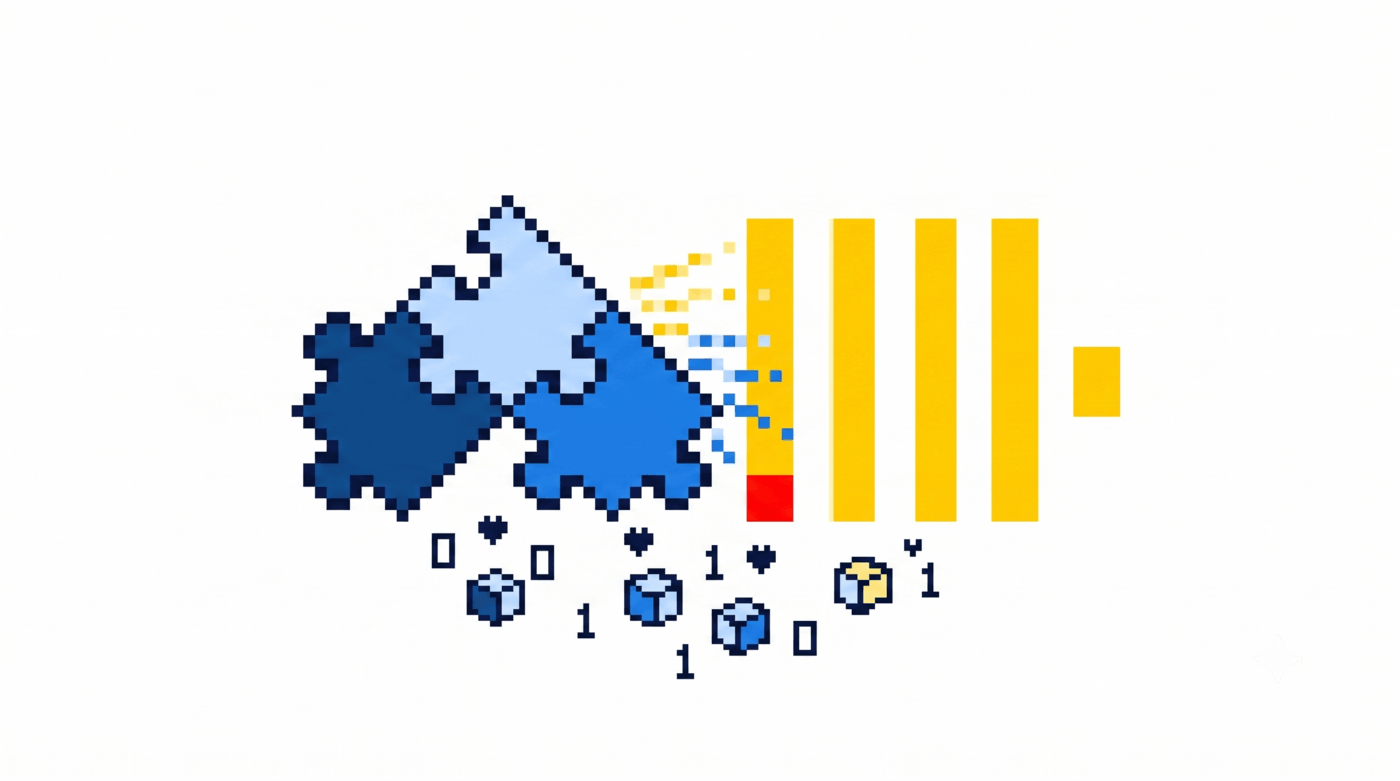
OpenEverest v2 Developer Preview is here. A modular architecture with a Provider SDK, Generic Plugins, and a streamlined UX — all designed so developers can integrate new database technologies in days, not months.
Latest news and articles from the OpenEverest project
OpenEverest v2 Developer Preview is here. A modular architecture with a Provider SDK, Generic Plugins, and a streamlined UX — all designed so developers can integrate new database technologies in days, not months.
GKE is the go-to Kubernetes option for a lot of teams. This walkthrough covers installing OpenEverest on a standard GKE cluster - the commands, config, and gotchas - so you can get a database running on Google Cloud.
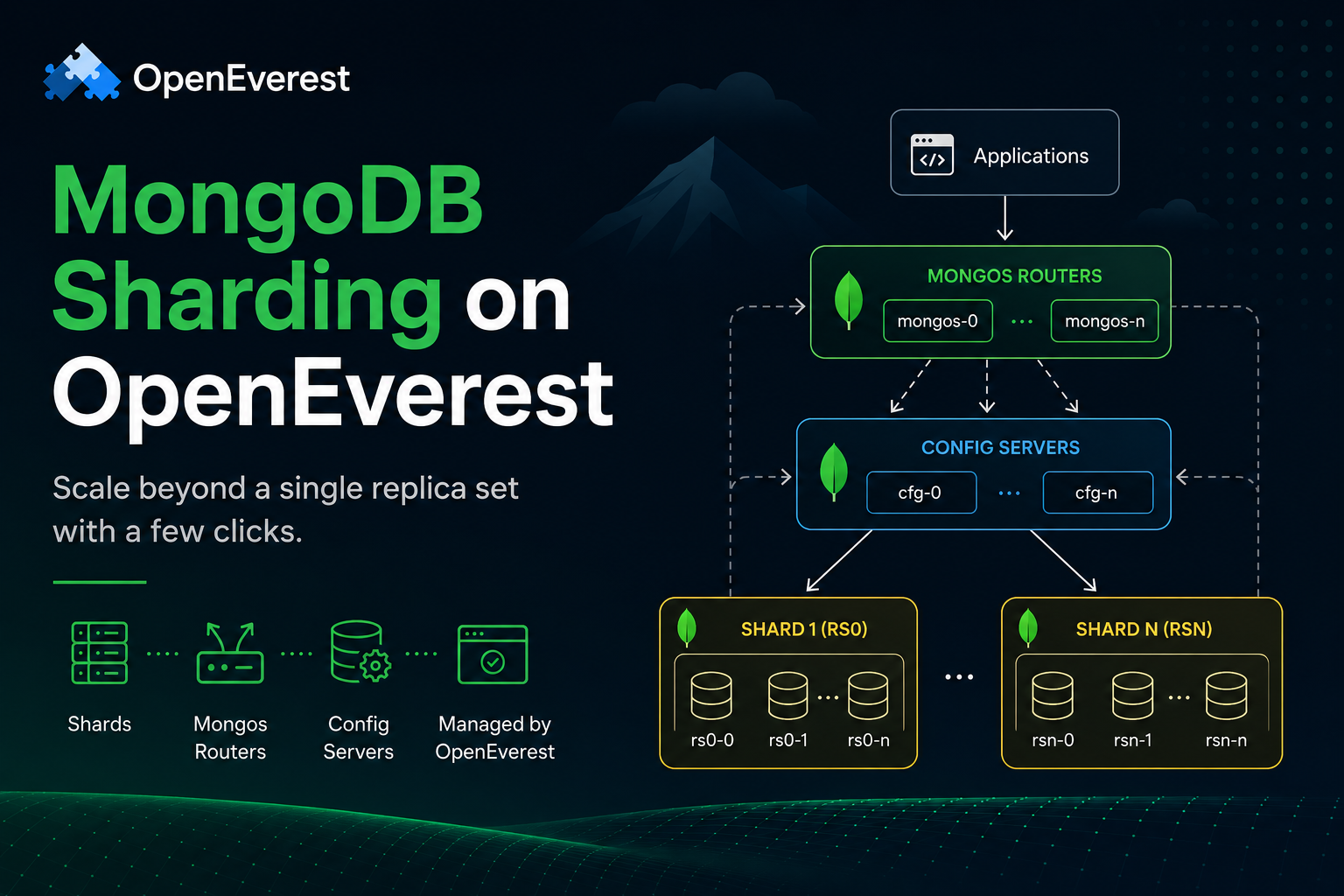
Walk through enabling MongoDB sharding in the OpenEverest UI and verify the config servers, mongos routers, and shard pods created in your namespace.
OpenEverest 1.15 adds native ARM64 support across all components. This post covers supported workloads, current limitations and the other changes included in the 1.15 release series.
Run OpenEverest locally with kind and everestctl to create and manage PostgreSQL on Kubernetes. A practical step-by-step guide covering setup, database creation, and resource debugging on a laptop.
ProxySQL 3 added PostgreSQL support. Let's see how hard it is to deploy it in front of a Patroni-managed PostgreSQL cluster on Kubernetes and get read/write splitting working.
OpenEverest just hit 750 stars on GitHub! Since the 500-star milestone, OpenEverest has become the CNCF Sandbox project, and the number of contributors is growing steadily.
A community-maintained playground built to make OpenEverest easier to evaluate, demo, and discuss locally.
Kubernetes 1.36 brings Volume Group Snapshots, OCI Volume Source, DRA GPU partitioning, and Memory QoS to stable/beta. Here is what matters for databases, portability, and AI on Kubernetes.
Meet Rishi Mondal — Docker Captain, CNCF maintainer, two-time GSoC alum turned mentor, and an SRE at Obmondo who joined OpenEverest community because the database problem on Kubernetes is one he lives every day.